At Axis Environments, we believe the most effective workplaces begin with a deep understanding of the people who use them. As organisations place greater emphasis on wellbeing, inclusivity and employee experience, neuroinclusive design is becoming an increasingly important consideration within workplace strategy and design.
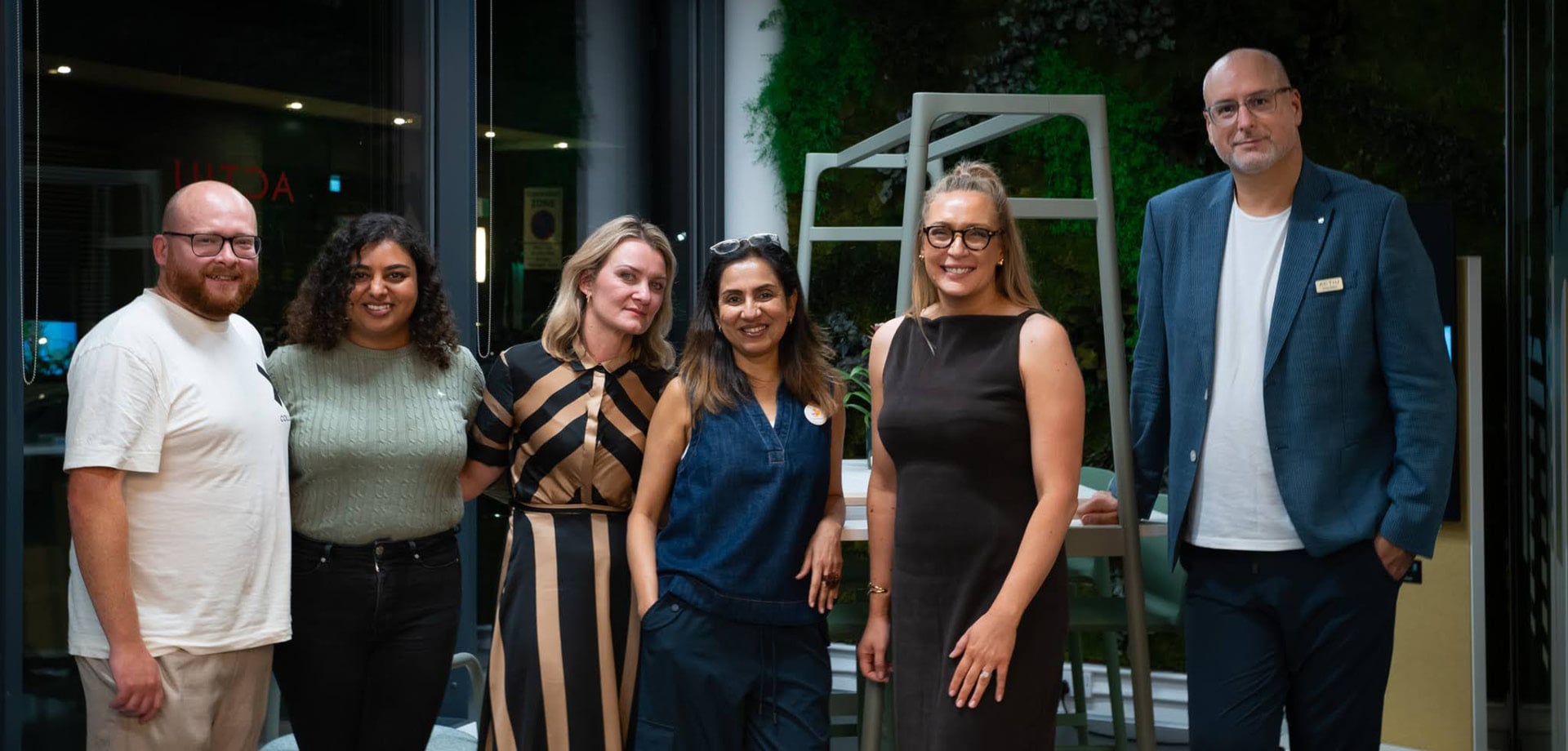
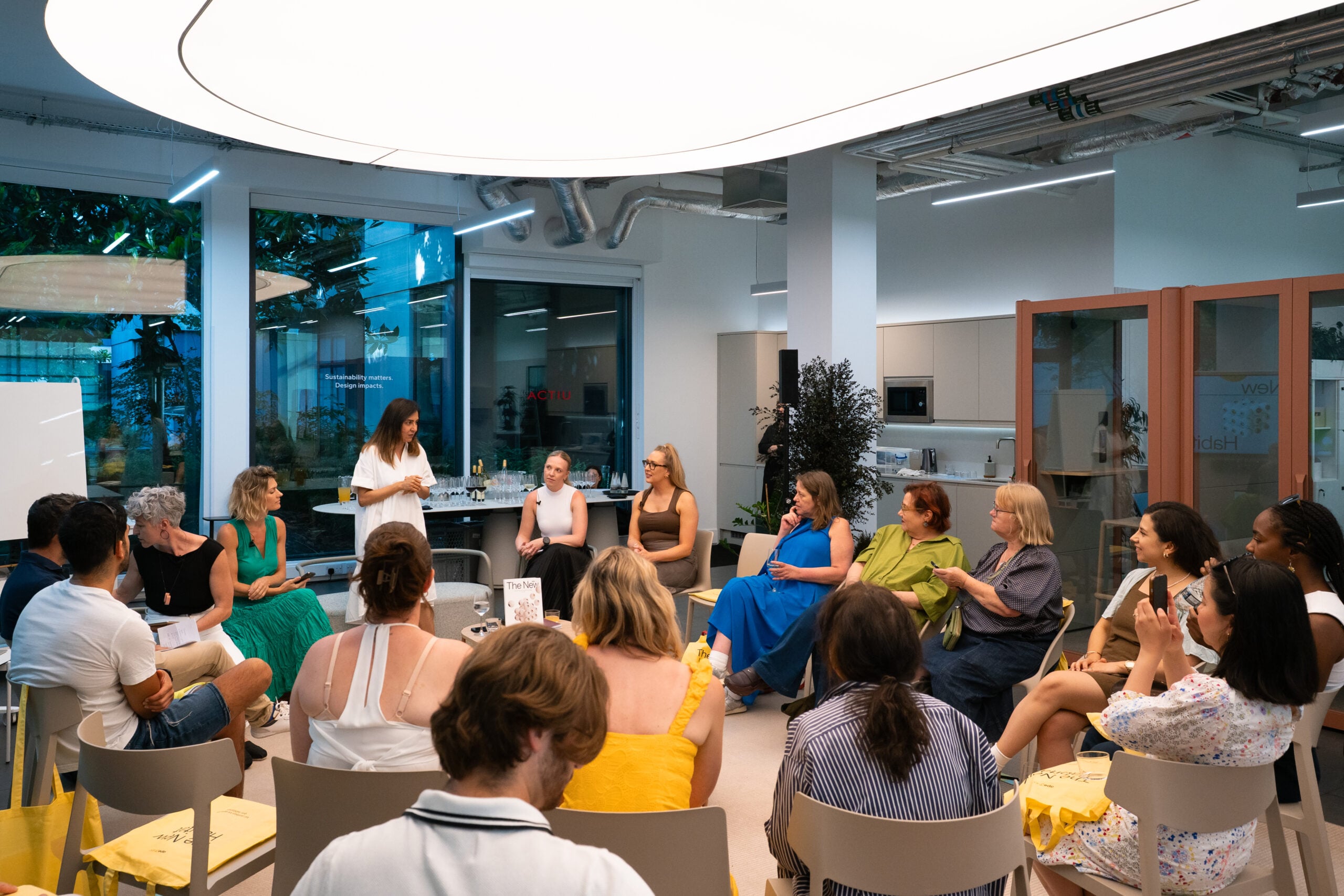
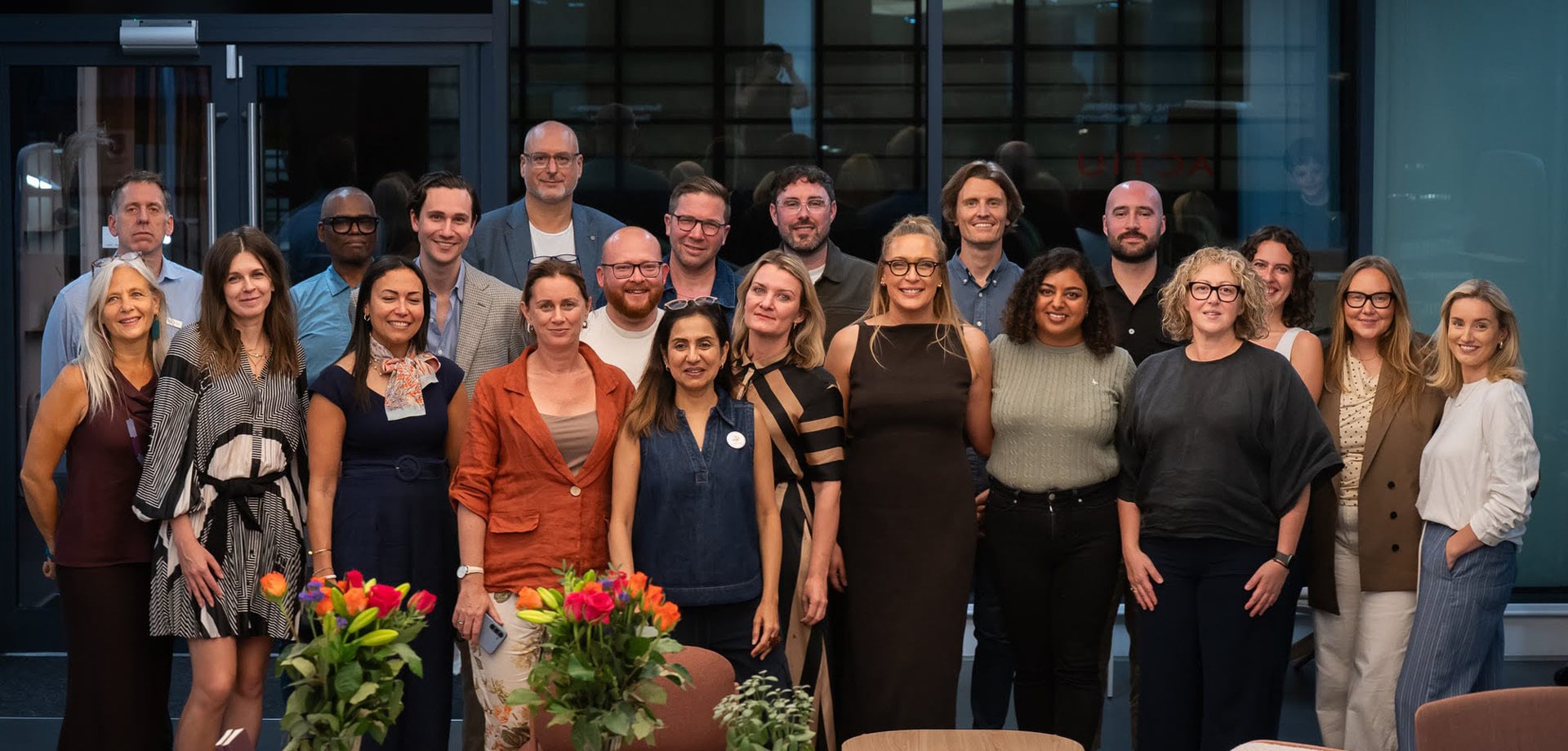
Recently, our team, Katie Bowes, Head of Design, Kieron Heffernan, Designer, and Riddhi Lodhia, Tsunami Axis Furniture Consultant, attended a neuroinclusive design workshop hosted by WOD – Women in Office Design in collaboration with the University of Cambridge. Led by Matteo Zallio, Assistant Professor in Design at the University’s Department of Architecture and lead of the Centre for Inclusive Design Futures, the session brought together teams from several leading design practices, including Gensler, Basha-Franklin, MF Design Studio, The Torrington Group and tp bennett.
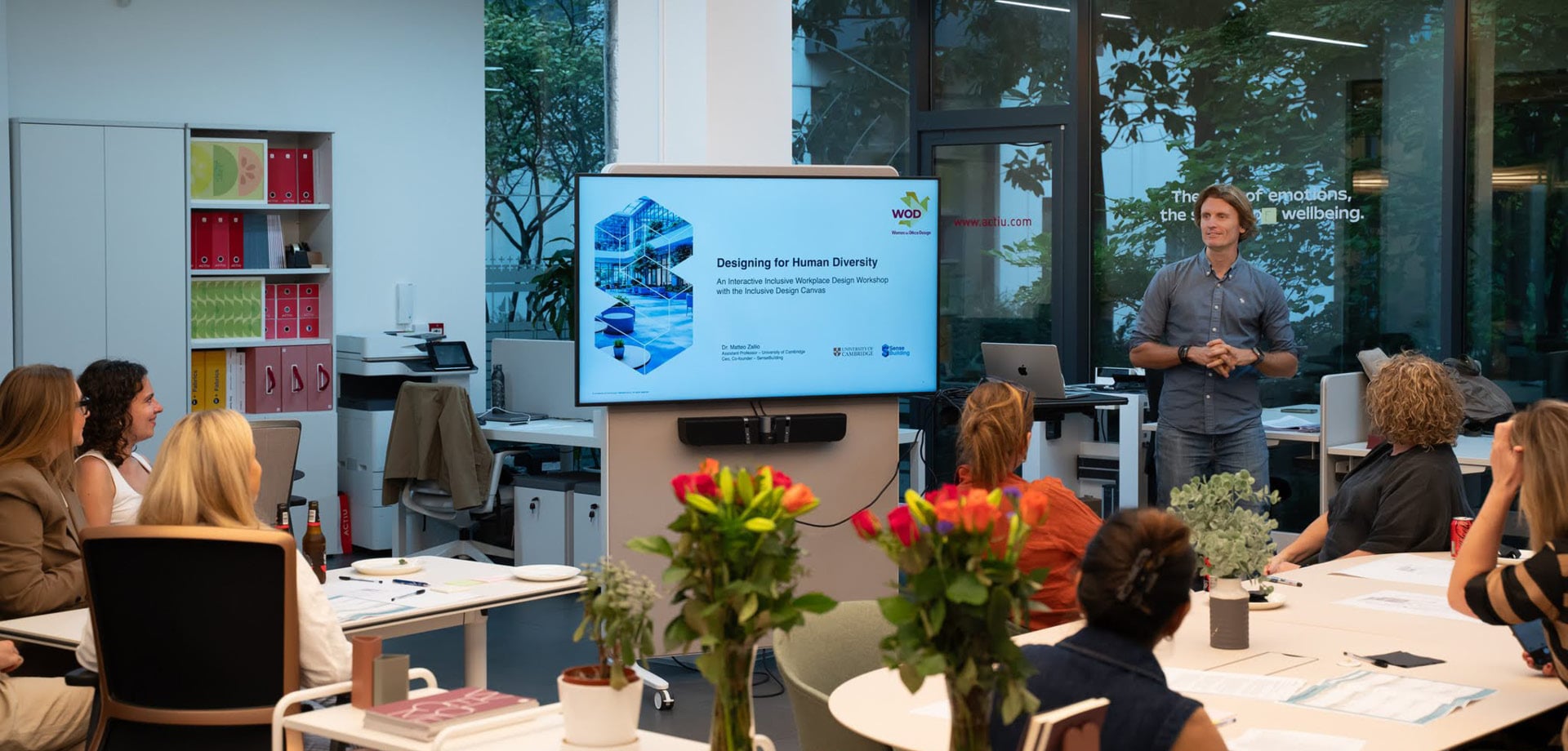
The workshop explored emerging research into how individuals experience the built environment through physical, sensory and cognitive perspectives. At the heart of the discussion was a simple yet powerful idea: every person experiences space differently. The challenge for designers is not to create a one-size-fits-all solution, but to understand diverse needs and translate them into environments that offer choice, comfort and accessibility for all.
Using the Inclusive Design Canvas developed by the University of Cambridge, participants explored user personas, workplace journeys and behavioural patterns, applying the research framework to real workplace scenarios. The session encouraged teams to move beyond prescriptive requirements and instead focus on understanding genuine human needs before defining solutions. Through collaborative exercises and design challenges, participants developed and presented their own interpretations of the research, demonstrating how inclusive design can be adapted to support a broad spectrum of users and experiences.


Several key themes emerged throughout the day. Designing around people rather than specifications creates a stronger foundation for decision-making. Understanding needs before implementing solutions leads to more meaningful outcomes. Equally important is the role of post-occupancy evaluation, user feedback and continual measurement in ensuring workplaces evolve to meet changing behaviours and expectations over time.
For Axis Environments, the workshop reinforced the value of evidence-based design and the importance of creating environments that support different ways of thinking, processing information and interacting with space. As workplace expectations continue to evolve, neuroinclusive design offers an opportunity to create more equitable, adaptable and human-centred environments that enable individuals and organisations to perform at their best.
The insights gained from the session continue to inform our approach, helping us design workplaces that place people at the centre of every decision while delivering spaces that are inclusive, flexible and built for the future.