Sustainability
Sustainability is at the forefront of modern workspace and hospitality, reflecting a global commitment to environmental responsibility
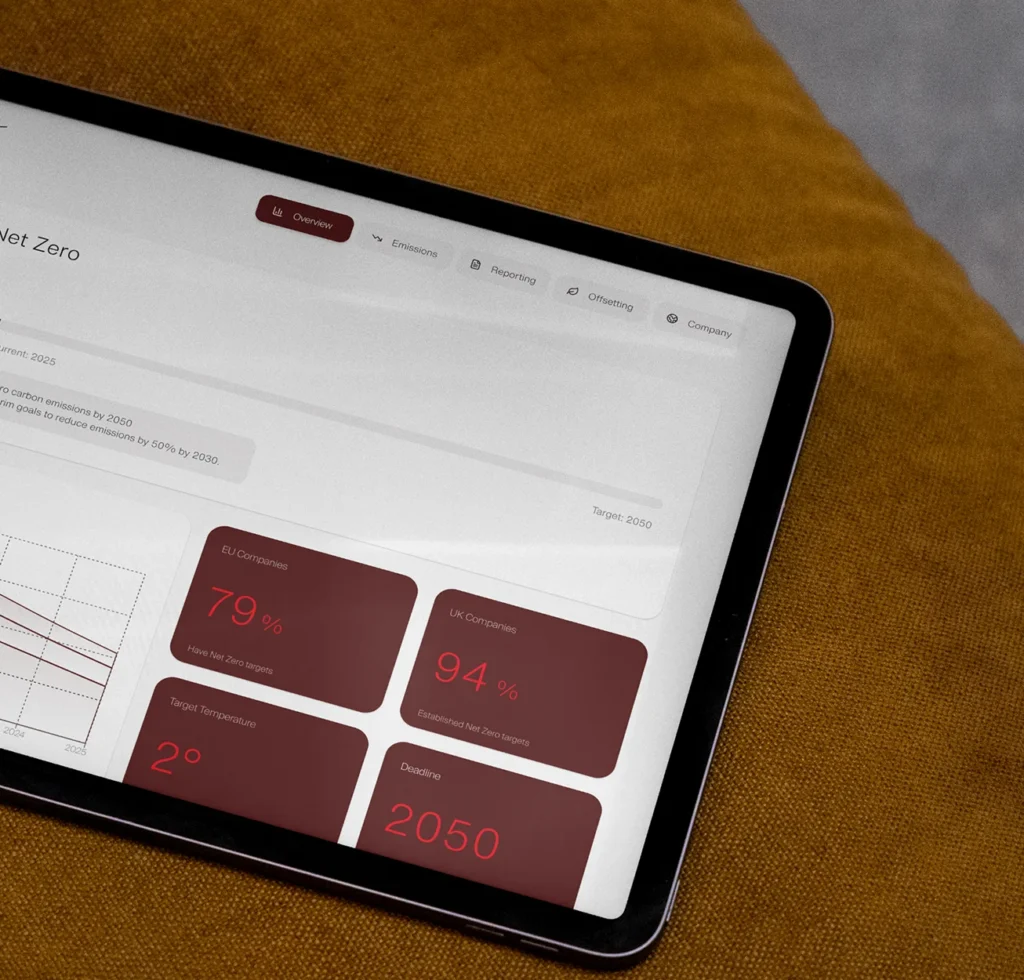
Net Zero goals and rising consumer expectations mean clients need a partner who can deliver real environmental outcomes.

Having dedicated a lifetime listening to our clients evolving needs, we have developed a two pillar approach which enables us to deliver, sustainable, climate positive outcomes for your project.
On previous projects our team have helped clients to understand and document the environmental performance of the project and implement solutions that significantly reduced the carbon spend of the project.
We are at the forefront of accelerating our customers' journey to Net Zero
In 2023, we diverted 100 tonnes of furniture from landfill, 50% of which was managed through our buyback scheme, reintroducing 5,000 Aeron task chairs into the second-life furniture market.
Designed by a sustainability specialist, our carbon reporting calculator provides full project transparency. Beyond waste reduction, we offer solutions for Net Zero, BREEAM, and WELL accreditations, advancing sustainability goals.
Combining sustainable thinking, circular design principles and responsible delivery to create workspaces that perform, adapt and endure
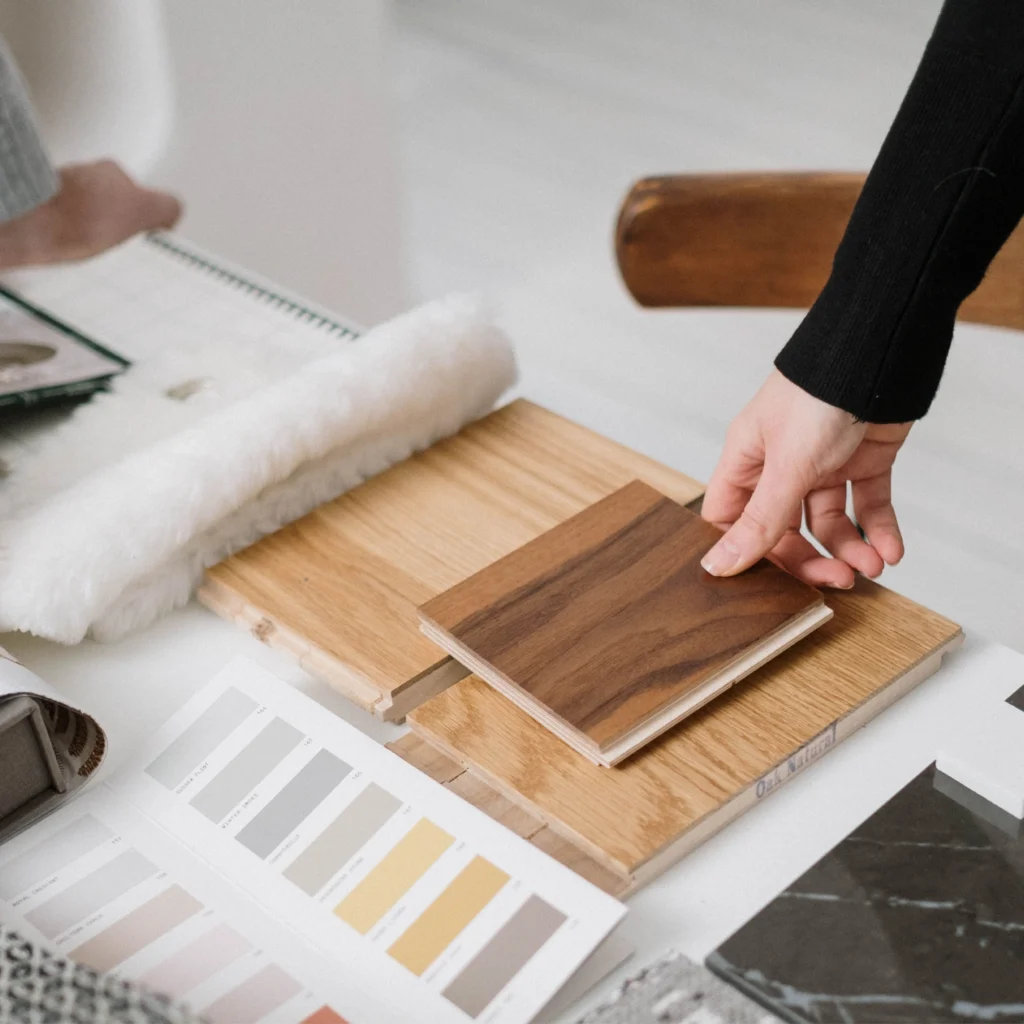
Sustainability is embedded throughout our design and build process. From material specification and responsible procurement to waste reduction, asset reuse and future adaptability, we make informed decisions that balance environmental responsibility and commercial performance to deliver long-term value. The result is workplaces that support people, strengthen organisations and leave a lasting positive impact.
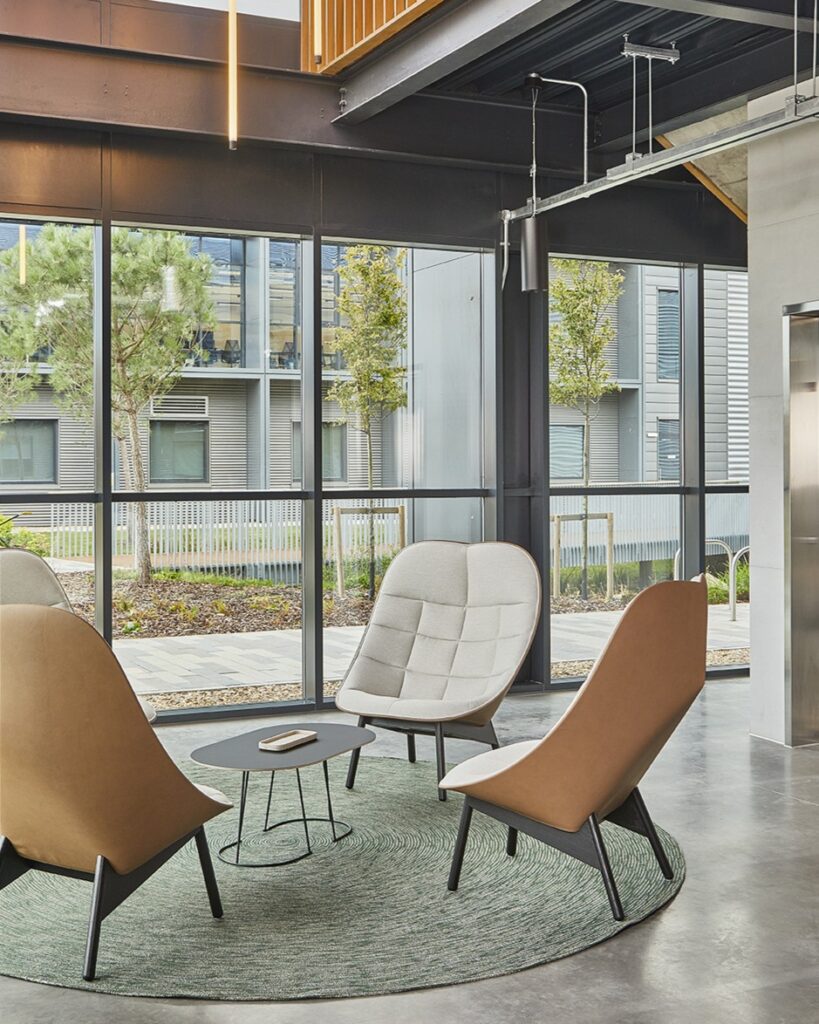
Sustainable by Design
Sustainability begins during concept design. Every design decision is evaluated against performance, longevity, maintainability, adaptability and embodied carbon, ensuring materials and finishes are selected for more than just aesthetics.
Impact:
- Material selection
- Product lifespan
- Embodied carbon reduction
- Future adaptability
- End-of-life considerations
The most sustainable product is often the one already in the building.
Before replacement is considered, we assess furniture, finishes and workplace assets for reuse, refurbishment or reconfiguration opportunities.
Impact:
- Reduced waste
- Lower project costs
- Carbon reduction
- Social value opportunities
Procurement decisions influence both environmental and social outcomes.
We prioritise suppliers and manufacturers that demonstrate quality, transparency, environmental responsibility and ethical sourcing practices.
Impact:
- FSC-certified timber
- Environmental Product Declarations (EPDs)
- Product transparency
- Supplier accountability
- Reduced transport impacts
Good sustainability is designed into the construction process, not added afterwards.
Efficient coordination, accurate quantities, responsible waste management and practical buildability reduce material waste, unnecessary transport and programme inefficiencies.
Impact:
- Reduced site waste
- Improved recycling rates
- Material optimisation
- Fewer construction revisions
- Lower environmental impact
Sustainable workplaces should support people as well as the planet.
Wellbeing, neurodiversity, indoor air quality, acoustics, lighting and inclusivity are integrated into the workplace experience from the outset.
Impact:
- Improved employee experience
- Enhanced workplace performance
- Inclusive environments
- Better retention and engagement
The most sustainable workplaces continue to perform for years beyond completion.
Designing for flexibility, future expansion and changing workplace behaviours extends asset life and reduces the need for major refurbishment.
Impact:
- Lower lifecycle costs
- Future-proofed environments
- Reduced churn and waste
- Greater return on investment
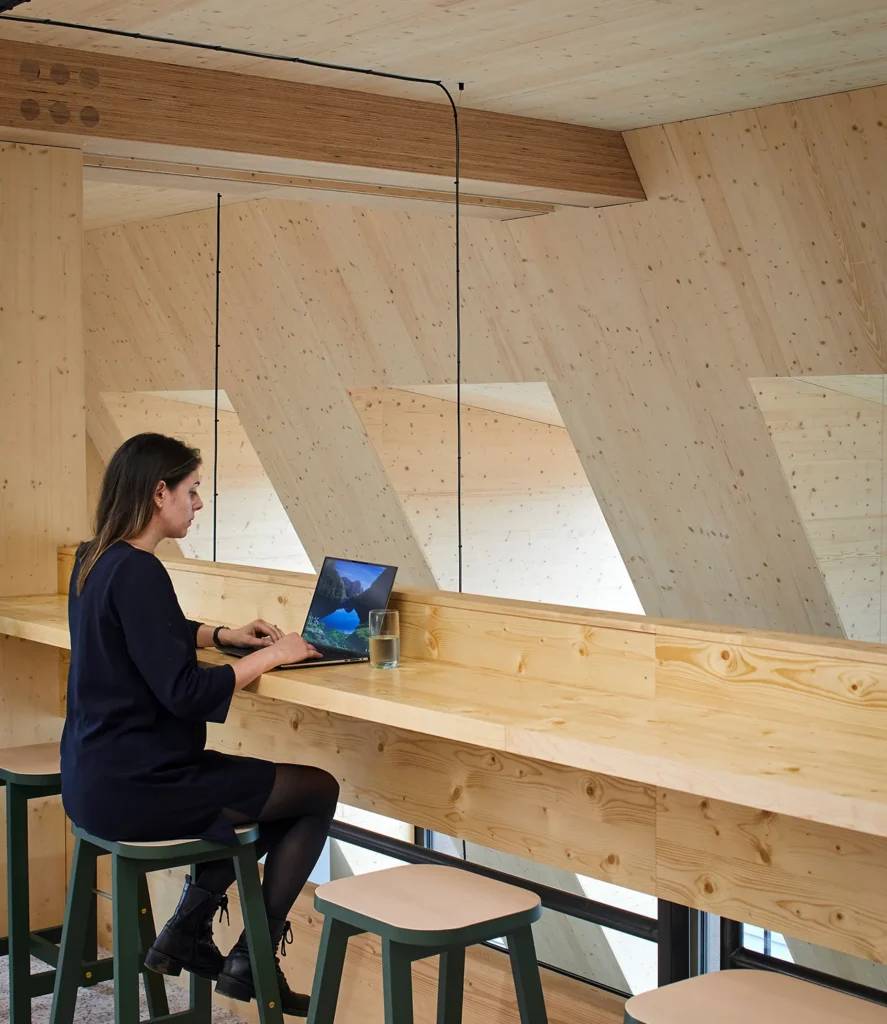
Sustainable Value
Reducing whole-life costs through intelligent design, efficient building systems, responsible material selection and adaptable workplace solutions that minimise future investment requirements.
Creating healthier workplaces through improved air quality, lighting, acoustics, ergonomics and inclusive design, supporting wellbeing, engagement and workplace performance.
Aligning workplace environments with current legislation, ESG commitments and responsible business objectives, helping organisations meet regulatory requirements and strengthen stakeholder confidence.
Designing adaptable environments that can evolve alongside changing teams, technologies and business needs, extending workplace lifespan and reducing future disruption.
Supporting workplace certification and sustainability targets through informed design, specification and delivery, helping projects align with recognised industry benchmarks and standards.
Maximising the value of existing assets through reuse, refurbishment and responsible procurement, reducing waste while supporting environmental and commercial objectives.
creating workspaces that minimise impact and promote healthier, more productive environments
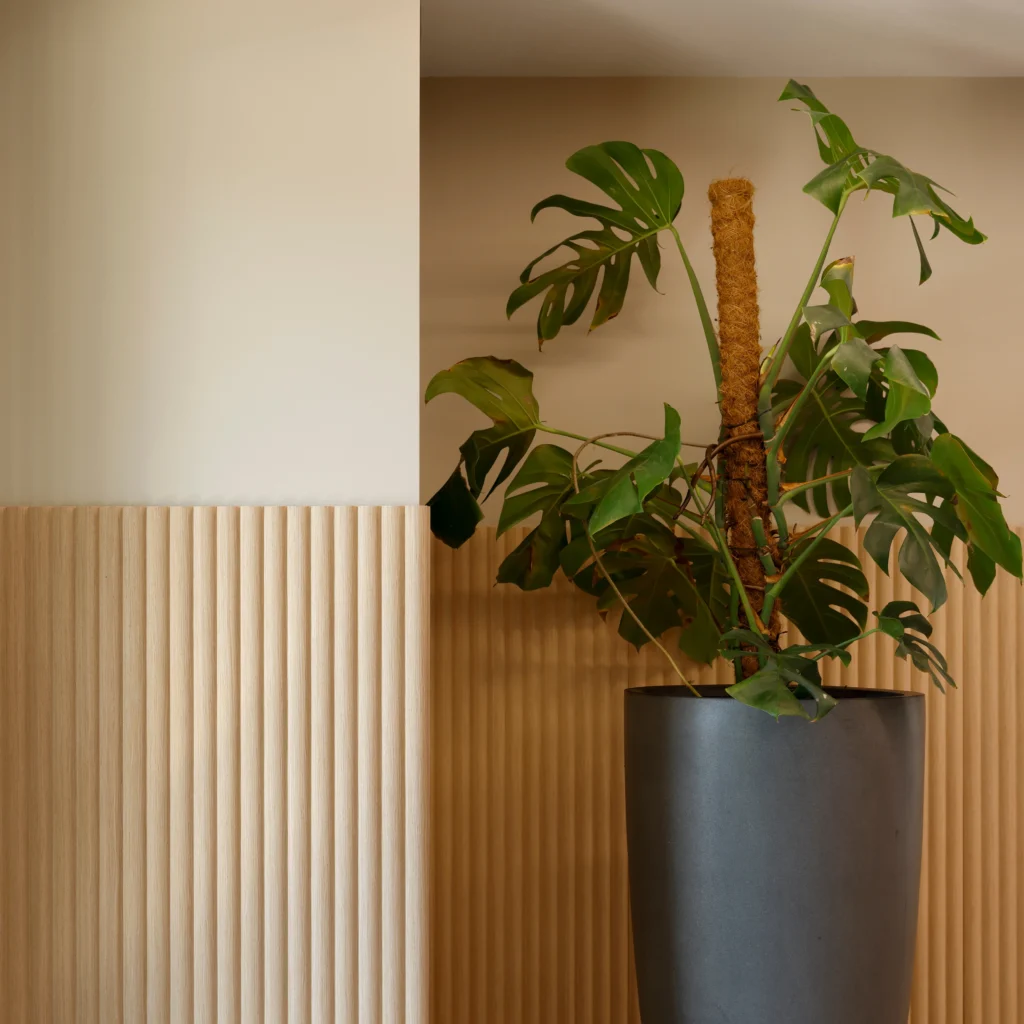
ESG (Environmental, Social, and Governance) principles in office interiors focus on creating sustainable, healthy, and inclusive workspaces that minimize environmental impact, enhance employee well-being, and ensure ethical governance in design and operations.
While the initial costs of sustainable interior fit-outs may be higher, the long-term value in terms of operational savings, improved employee well-being, enhanced property value, and corporate reputation can significantly outweigh the initial investment.
Reducing operational energy demand through efficient building systems, intelligent controls and considered design strategies. By integrating BMS platforms, smart sensors and performance data capture, workplaces can continually optimise energy consumption, improve operational efficiency and support long-term sustainability objectives.
Prioritising responsibly sourced, recycled and recyclable materials that balance environmental responsibility with long-term performance. By embedding circular design principles into specification, procurement and delivery, we maximise material longevity, reduce embodied carbon and create workplaces designed for future adaptation, reuse and recovery.
Integrating water-efficient fixtures and design solutions that minimise consumption, reduce operational costs and support responsible resource management.
Supporting healthier, higher-performing workplaces through improved ventilation, low-VOC paints and low-emission materials. By reducing airborne pollutants and prioritising healthier specifications, we create environments that enhance wellbeing, elevate user experience and contribute to long-term workplace performance.
Maximising access to daylight through strategic space planning and design, enhancing occupant wellbeing, comfort and productivity while reducing reliance on artificial lighting.
Creating workplaces designed to evolve alongside changing business needs, extending asset lifespan and reducing the need for future refurbishment.
Prioritising furniture with strong environmental credentials, circularity potential and long-term durability, including opportunities for reuse, refurbishment and responsible sourcing.
Empowering people through workplaces that encourage wellbeing, collaboration and a shared commitment to sustainable behaviours and organisational culture.
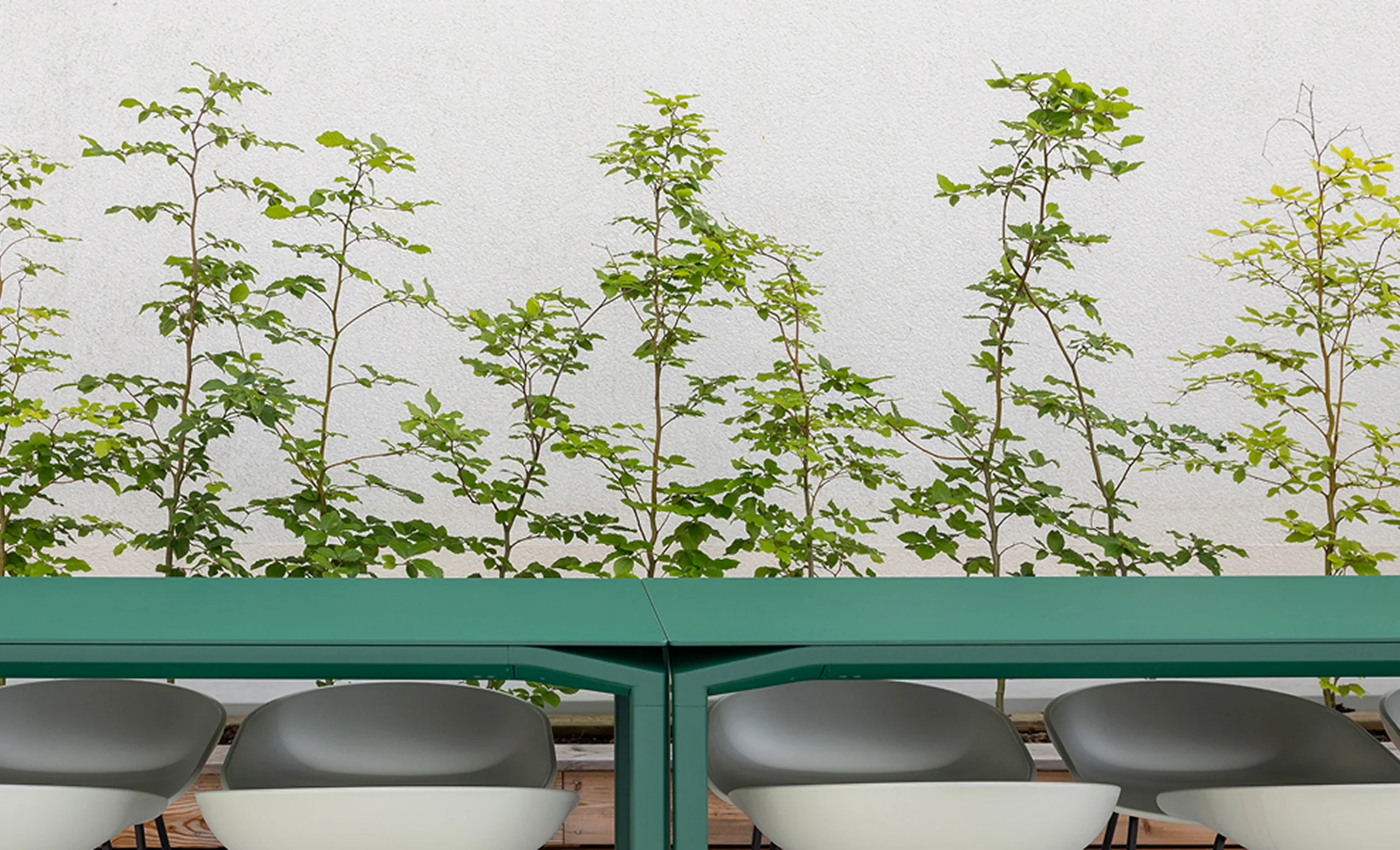
Strengthening connections to nature through biophilic design, planting strategies and material selections that enhance wellbeing and support ecological value wherever possible.
Our commitments are externally verified and independently benchmarked, not self-certified
BREEAM
SKA Rating System
LEED (Leadership in Energy and Environmental Design):
WLCA (Whole Life Carbon Assessment):
By adopting the RICS whole life carbon assessment (WLCA) standard, 2nd edition., teams can manage carbon budgets, reduce life cycle emissions and deliver a net-zero future for the built environment.
WELL Building Standard:
WELL Certified spaces aim to improve the nutrition, fitness, mood, sleep, comfort, and performance of occupants by implementing strategies, programs, and technologies designed to encourage healthy lifestyles and reduce exposure to harmful chemicals and pollutants.
Fitwel
Sustainable outcomes are driven by informed decisions throughout the design, procurement and construction process

We prioritise materials, products and supply chains that demonstrate transparency, responsible sourcing and verified environmental performance, helping clients balance sustainability ambitions with commercial and operational objectives.
Our approach incorporates recognised standards and certifications including:
- FSC® Certified Timber
- PEFC Certified Timber
- Environmental Product Declarations (EPDs)
- Cradle to Cradle Certified® Products
- Declare Labels
- BES 6001 Responsible Sourcing
- ISO 14001 Environmental Management Systems
These credentials help guide specification, procurement and material selection, supporting wider sustainability objectives and contributing towards certification pathways such as BREEAM, SKA, WELL and Fitwel.
Design for Reuse introduces a design-led alternative, allowing existing furniture to become part of the brief
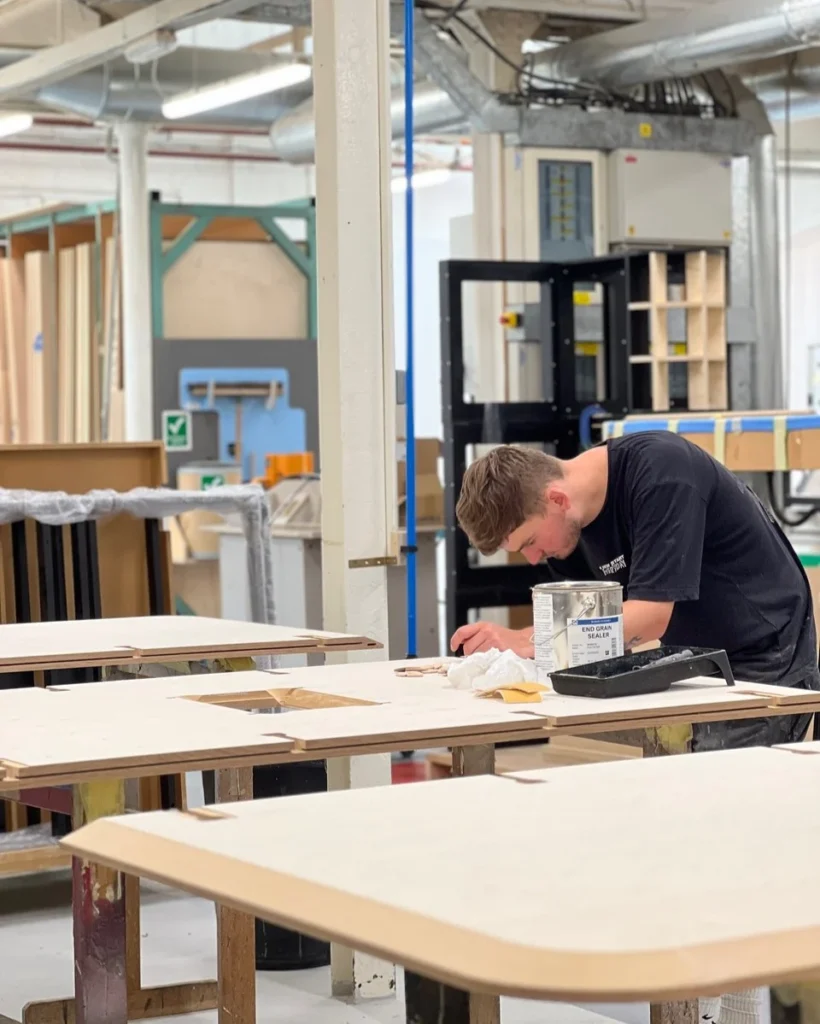
Design for Reuse is a design-led approach that starts with what already exists. Rather than defaulting to replacement, we assess, adapt and integrate retained furniture into new workplace environments, ensuring it meets performance, aesthetic and compliance requirements. By treating existing assets as a valuable resource, we create more circular procurement strategies that reduce embodied carbon, preserve material value and protect previous investment.
Supported by robust reporting and carbon measurement, Design for Reuse delivers workplaces that are more sustainable, cost-efficient and adaptable, without compromising design quality or the needs of the modern workplace.
Get the latest updates on workplace design, sustainability & industry insights.